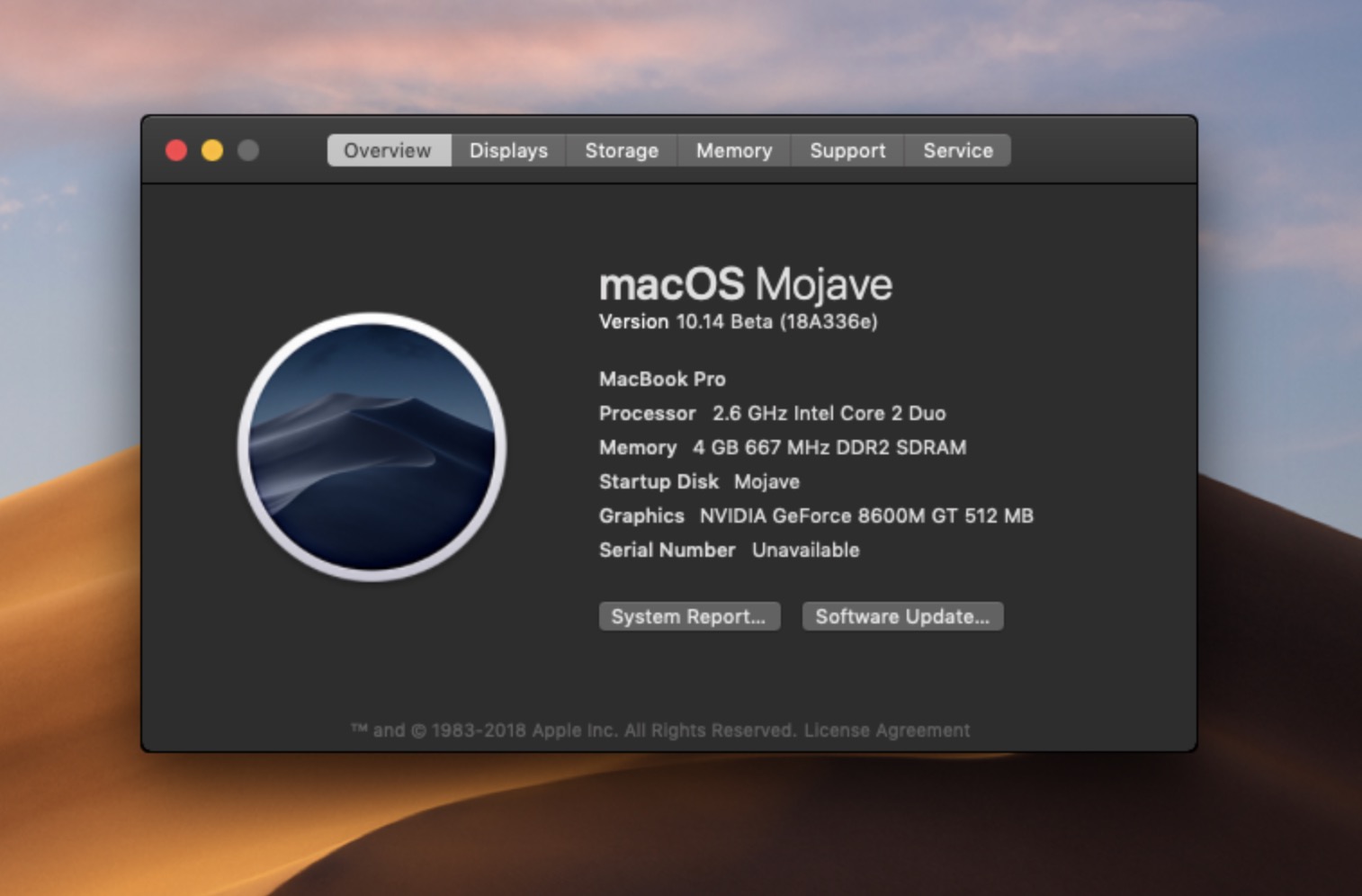
Step 10: In the window, select the model of your Mac. The program will automatically select which patches are needed for your device, but you can also select which patches you want to include. Step 11: Select the volume where you installed macOS Mojave and click Patch. Essentially, the Mojave Patcher Tool creates a custom USB installer (similar to the regular Mojave boot installation drive you can create) that you can then use to install not only macOS Mojave on the otherwise unsupported Macs listed below, but also a set of patched macOS Mojave component files that it can boot with.
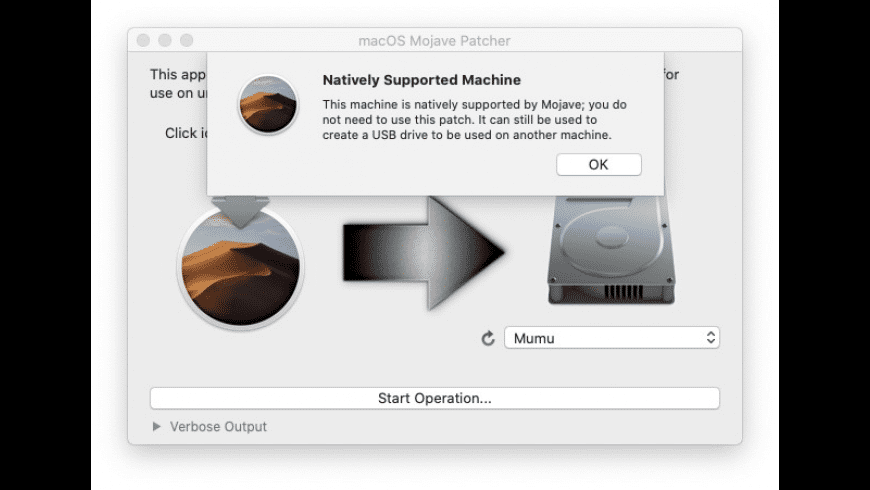
Mac Mini Mid-2011 (all models except for HD 3000 experience GUI glitches) MacPro 3,1 Early-2008; MacBook Late-2008; MacBook Early-2009 to Mid-2010 (GUI glitches) Download macOS Mojave Patcher tool. DMG file (official link) How to install macOS 10.14 on older Mac models. Step 1 Download the DMG file using the link above on your computer. As ROM-patching is related to installing Mojave/ Catalina on an unsupported mac, and dosdude1 has written the APFS ROM Patcher Tool and is the threadstarter, I thought this is the perfect place for my question. Maybe I should write him an email, but I hoped that anybody here ran in the same problem with the same mac and found a solution.
Find the Right Method for your Mac. Whether its Dosdude1’s Catalina Patcher, Julian’s macOS Patcher, or Isiah’s macOS Extractor, you have a wide range of solutions that can work with your specific Mac Model. Open the 'macOS Sierra Patcher' tool, and browse for your copy of the macOS Sierra Installer App.Ensure that the tool successfully verifies the app. Next, select your USB drive in the Target Volume list, and click 'Start Operation.' When the operation completes, boot your target unsupported Mac off the USB drive you just created.
UpdatesImportant Notes:
- Using APFS is REQUIRED in Mojave in order to receive system updates via the normal Software Update method. If you choose to continue using macOS Extended (Journaled) as your filesystem type, you will NOT receive System Updates via System Preferences. If you are not using APFS, you can follow the 10.14.1 installation steps below.
- After applying ANY system update via Software Update, re-applying post-install patches using your Mojave Patcher installer volume will most likely be necessary. If you install a software update and the system fails to boot afterwards, this is what needs to be done.
10.14.6
10.14.6 can be updated normally via Software Update if using an APFS volume, and will need to be patched using an installer volume created with Mojave Patcher version 1.3.2 or later after installing.
10.14.5
/review-of-catalina-for-mac/. 10.14.5 can be updated normally via Software Update if using an APFS volume, and will need to be patched using an installer volume created with Mojave Patcher version 1.3.1 or later after installing.
10.14.4
10.14.4 adds new changes that ARE NOT patchable by the post-install tool of Mojave Patcher v1.2.3 and older! Before updating to 10.14.4, you you will need to use the latest Mojave Patcher version to create a new installer volume, using the 10.14.4 installer app. Then, update to 10.14.4, either by installing via Software Update, or by just using the installer volume you've created to install.
10.14.3
If you are currently running 10.14.1 or 10.14.2, you can simply use the Software Update pane of System Preferences (if using APFS) to apply the 10.14.3 update. Once the update is installed, you will most likely need to re-apply post-install patches to get the system to boot again. This process is detailed in steps 8 - 10 above. If you are currently running 10.14.0, you'll need to proceed with the 10.14.1 update method described below.
Mac Os El Capitan Patcher Tool For Unsupported Macs
10.14.2If you are currently running 10.14.1, you can simply use the Software Update pane of System Preferences (if using APFS) to apply the 10.14.2 update. Once the update is installed, you will most likely need to re-apply post-install patches to get the system to boot again. This process is detailed in steps 8 - 10 above. If you are currently running 10.14.0, or are using a non-AFPS volume, you'll need to proceed with the 10.14.1 update method described below.
Macos Sierra Unsupported Mac

Mac Os Mojave Patcher Tool For Unsupported Macs
10.14.1/macOS Extended (Journaled) volumesMac Os El Capitan Patcher Tool For Unsupported Macs Windows 7
The Mojave 10.14.1 update does NOT install properly on unsupported machines, and could result in an unbootable OS. If you want to install the 10.14.1 update (and are not currently running 10.14.1), perform the following steps:
• Download the latest version of Mojave Patcher
• Download the installer using the Tools menu of Mojave Patcher
• Create a patched USB installer
• Boot from that, and install 10.14.1 onto the volume containing an older release.
• Once done, apply the post-install patches, and you should now be on 10.14.1.